
How to Choose an Interior Designer in the West Midlands: What to Ask, What to Pay, What to Expect
Most people looking into interior designers, do it when they get overwhelmed with their renovation and realise they need some additional help to get it right. Designers’ portfolios look beautiful. The websites are aspirational. But the actual information - what things cost, what you get, and how it all works, are often nowhere to be seen.
This post is here to change that.
We're giving you transparency. What an interior designer actually does. What you should expect to pay in the Midlands. The questions most people are too polite to ask. And how to know whether the designer sitting across from you in a consultation is actually right for your project.
If you're in the early stages of thinking about a renovation and trying to work out whether hiring a designer makes sense, keep reading.
What does an interior designer actually do?
There's genuine confusion between interior design and interior decorating, and it matters.
A decorator helps with the finishing layer - paint colours, curtains, cushions, accessories. That's a real and useful service, but it's not the same thing as interior design.
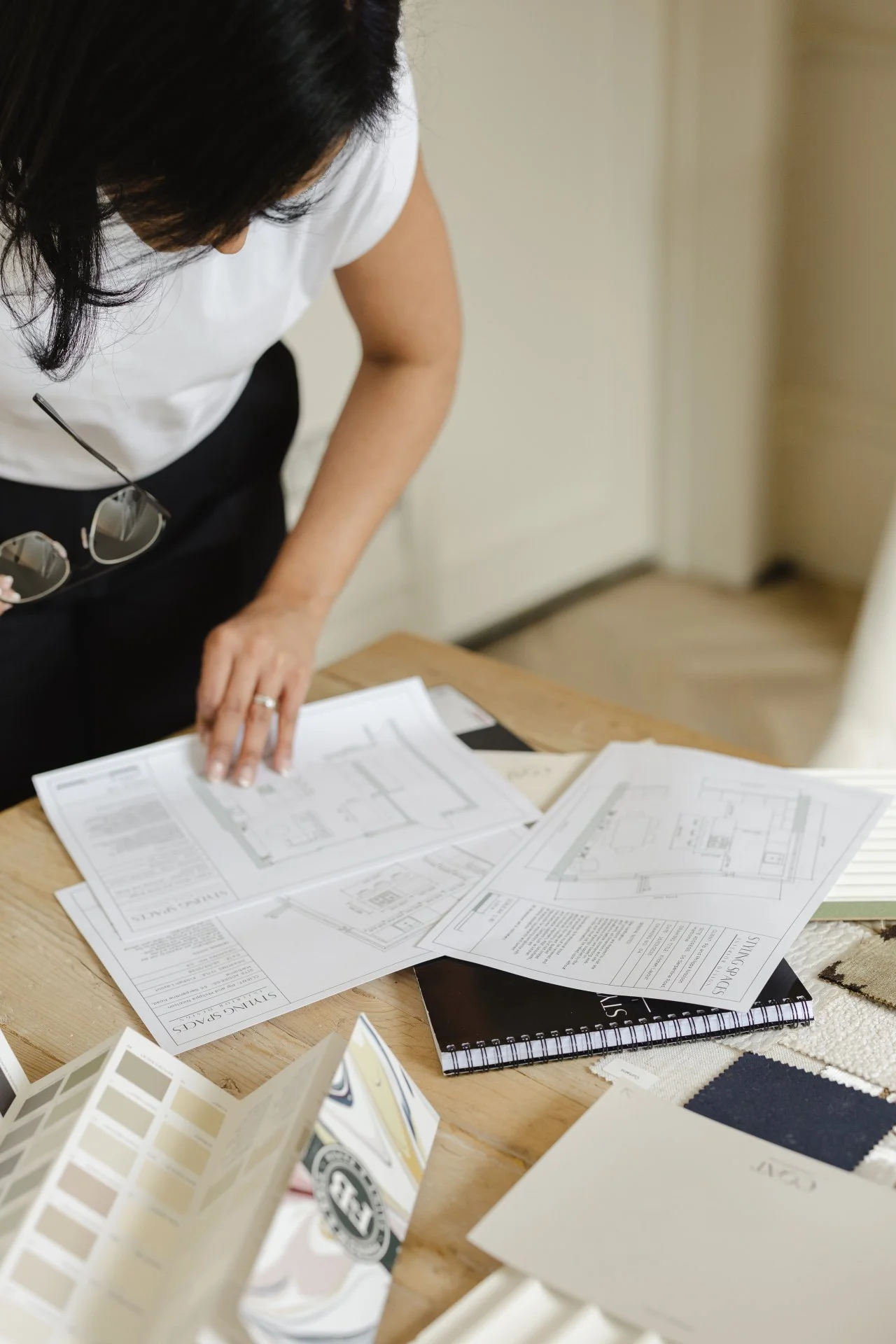
A designer works on everything before that layer. Space planning. Lighting layouts. Electrical design. Furniture specification and sourcing. Material and finish selection. Joinery design. Coordinating with contractors. Managing the sequencing of a project so the right trades are on site at the right time, and things don't have to be pulled apart and redone later.
The visible result might look effortless. The work that got it there isn't.
What you're really paying for
Here's the part that doesn't get said clearly enough - you're not paying for taste. You're paying for guidance and decision-making.
But before any of that can happen, a designer has to understand how you actually live. Not just your aesthetic preferences, but your daily routines, how your household moves through a space, what irritates you about it now, what you'd never want to give up. That kind of information doesn't come from a quick questionnaire. It comes from knowing how to ask - and how to listen.
My background is in PR, where the work is fundamentally about understanding people - what they need, what they value, and how to communicate clearly under pressure. I've carried that into how I approach every project. The consultation isn't a formality. It's where I dig into how you use your rooms day-to-day, your routines, your habits, the things you haven't thought to mention because they seem too obvious. That's usually where the most useful design decisions come from.
Renovation projects involve a staggering number of decisions - far more than most homeowners anticipate. Flooring that has to be chosen before the skirting boards go in. Lighting positions that need to be confirmed before plastering. Furniture dimensions that need to be right before the carpet is laid. Every decision has a knock-on effect, and getting the sequence wrong is expensive.
A good designer keeps all of that in order. They ask the right questions early, flag problems before they become costly, and give you clear direction when the number of choices feels paralysing.
They also stop you making the kind of mistakes that are painful to fix - a sofa too large for the room, a layout that works on paper but feels wrong in real life, lighting that's been treated as an afterthought when it should be one of the first things planned.
That's the value.
What does hiring an interior designer in the West Midlands cost?
That depends on the designer. At Styling Spaces we have fixed fees for our Design Surgery sessions and our Virtual Design Service, and our Bespoke Interior Design Service fee is based on the individual project, and the size and scope of it.
A few questions people feel awkward asking, but really shouldn't
Can I see a project similar in scope and budget to mine?
A polished website, Instagram account or Welcome Pack shows their best work. What you actually want to know is whether they can deliver something comparable to what you're planning. Ask specifically. Don't just browse the highlights.
Do your fees cover everything, or are there extras?
Presentations, additional site visits, sourcing time, project management - all of these can sit inside or outside a design fee depending on how the service is structured. Get clarity on what's included before you sign, not after.
What's your approach when things go wrong?
Because something always does. A delivery arrives damaged. A contractor runs over. A product gets discontinued mid-project. How a designer responds to that - whether they sort it calmly or go quiet - is one of the best indicators of how the working relationship will feel when it's under pressure. Ask for an example.
What the process actually looks like
Every designer works slightly differently. Here's how we work.
It runs in seven stages, and the sequencing is deliberate - each step only moves forward once the previous one is signed off.
It starts with a free discovery call, just 30 minutes to hear about your project and check we're a good fit. No commitment. If it feels right, a paid consultation follows - I come to your home, take measurements and photographs, and we dig into your brief properly. This is where the lifestyle work happens: I want to understand not just what you want the space to look like, but how you'll actually use it. Your routines, your habits, how the room functions on a Tuesday morning versus a Saturday evening, what's been frustrating you about it. That visit is the foundation for everything that follows.
Afterwards, you receive a quotation, scope document, and terms together. Sign-off and deposit secure your project slot.
From there, I plan the layouts and develop a concept: a digital mood board establishing the mood, palette, and material direction before any products are sourced. You sign off on the layouts and design direction first, which means the detailed work that follows isn't being done on shaky ground.
Design development is the longest phase - typically five to eight weeks. This is where the full design pack is built: floorplan, furniture and lighting sourcing, elevations, materials, and a budget summary. You'll get a progress note halfway through, and when everything's ready, I walk you through the whole design before we talk costs.
Once the design is signed off, you choose how to proceed with procurement. You can order everything yourself using the product list I provide, or I manage it through my trade accounts - tracking deliveries and handling issues before they reach you.
If your project involves renovation work, we can step in as the trade coordinator during the build, attending site meetings and protecting the design intent as the contractors work. And finally, we can be on site for installation and handover, dressing the space and walking through it with you before handing everything over with a pack covering care guides, warranties, and supplier details.
The whole thing is built around sign-off points. You always know where you are and what's coming next.
How to know if they're the right fit
Portfolio and price are the obvious things to assess. But fit matters just as much.
Do they ask good questions before offering any ideas? A designer who starts sharing opinions before understanding how you live - what matters to you, how the space gets used day to day, what's driven you to look for help - probably isn’t the one for you. The best designers are curious before they're creative. That curiosity isn't a soft skill. It's what stops you ending up with a beautiful room that doesn't actually work for your life.
Do they give you clear answers about the process? You want clarity on scope, deliverables, timeline, and fees. If getting a straight answer takes effort, take note.
Do you actually trust them? That sounds obvious, but it's easy to be swayed by a beautiful portfolio and miss a bad gut feeling. You're going to be making a lot of decisions with this person, often quickly, often under some stress. Chemistry isn't everything, but it's more than most people give it credit for.
One last thing
Hiring an interior designer isn't just for people with enormous budgets and no constraints. It's a practical decision for anyone who wants to get their home right, and avoid spending money learning expensive lessons along the way.
The best designed spaces don't look like showrooms. They look like somewhere someone actually lives - calm, considered, and just right. That doesn't happen by accident. It happens because someone thought it through properly before anything was ordered or built.
If you're planning a renovation in Birmingham, Wolverhampton or anywhere across the West Midlands and working out whether now's the time to bring in proper support, we'd love to have a conversation.